
Imagine starting a new backend project today.
You open your favorite AI coding assistant and write:
Build a REST API using FastAPI, PostgreSQL, SQLAlchemy, and Pydantic. The application should manage customer orders, support basic CRUD operations, and include unit tests.
A few minutes later, you have a working application.
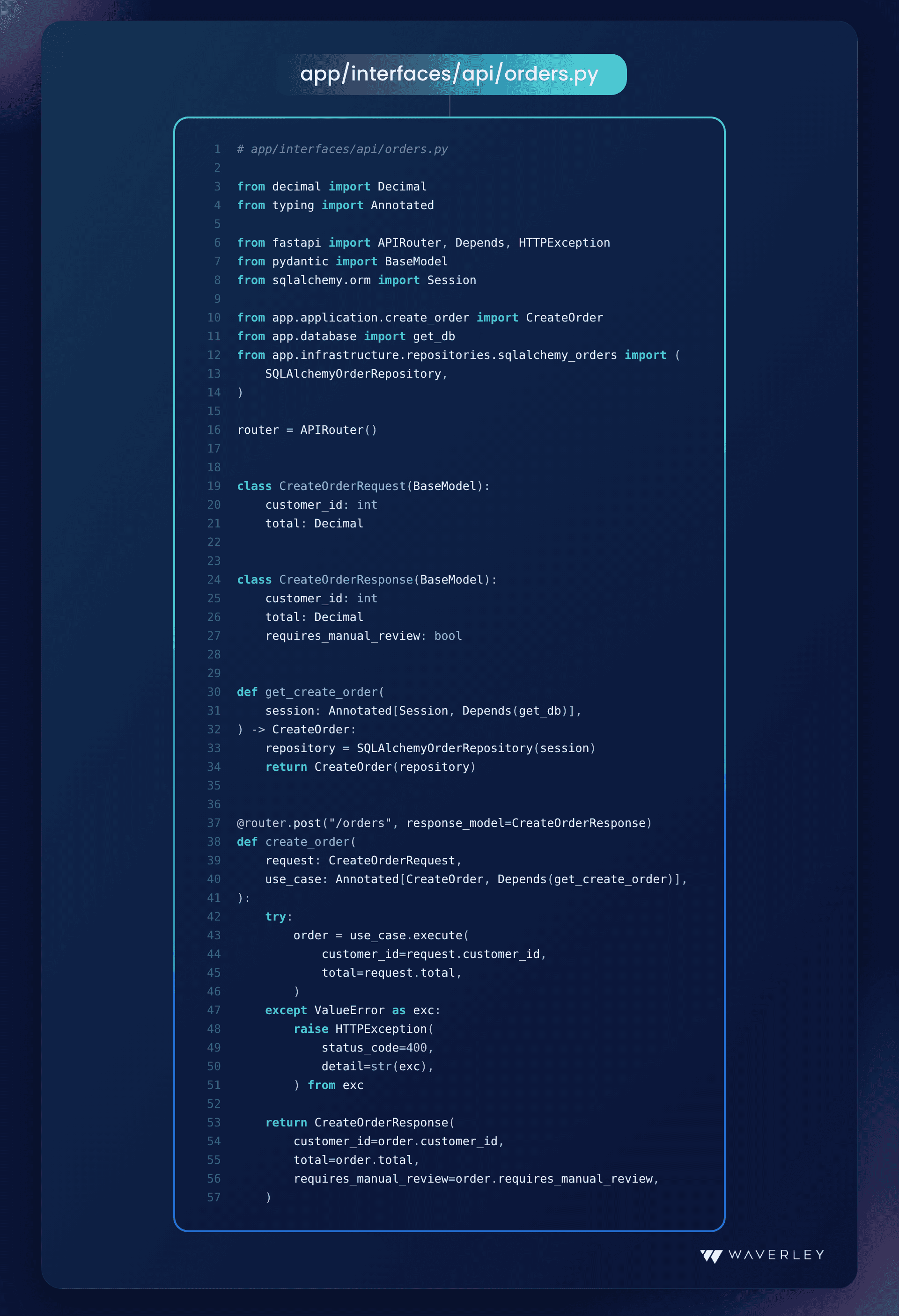
The agent has created your database models, request schemas, API endpoints, and perhaps even a Docker configuration.
You run the tests. Everything passes.
The application works.
But does it have a good architecture?
That's a completely different question.
Generating code and designing software are not the same activity.
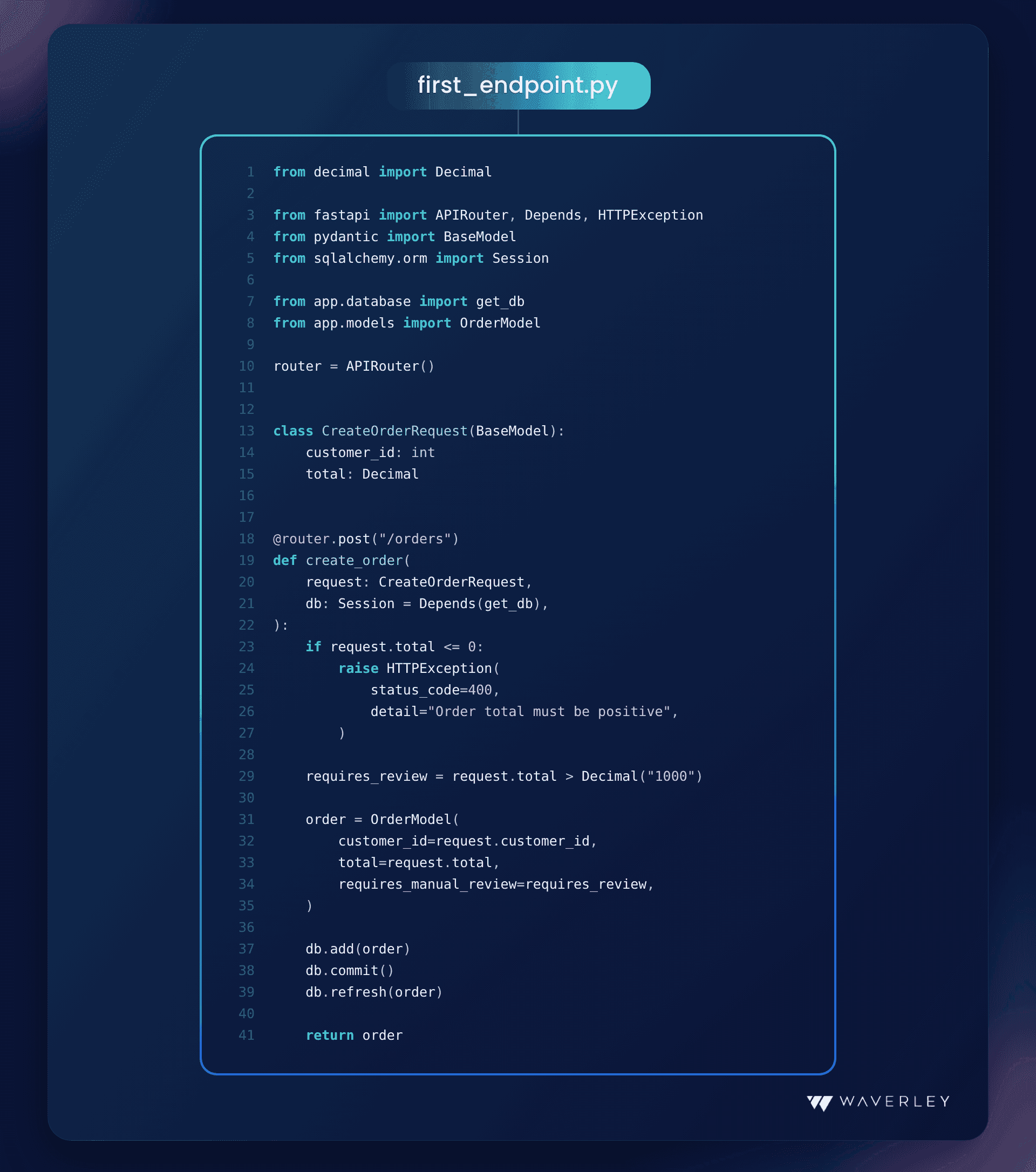
An AI agent can produce a technically correct implementation while introducing unnecessary coupling, mixing business rules with HTTP handlers, or making decisions that become increasingly expensive to change.
These problems rarely appear during the first implementation. They emerge when requirements evolve.
Consider what happens when you ask the agent to:
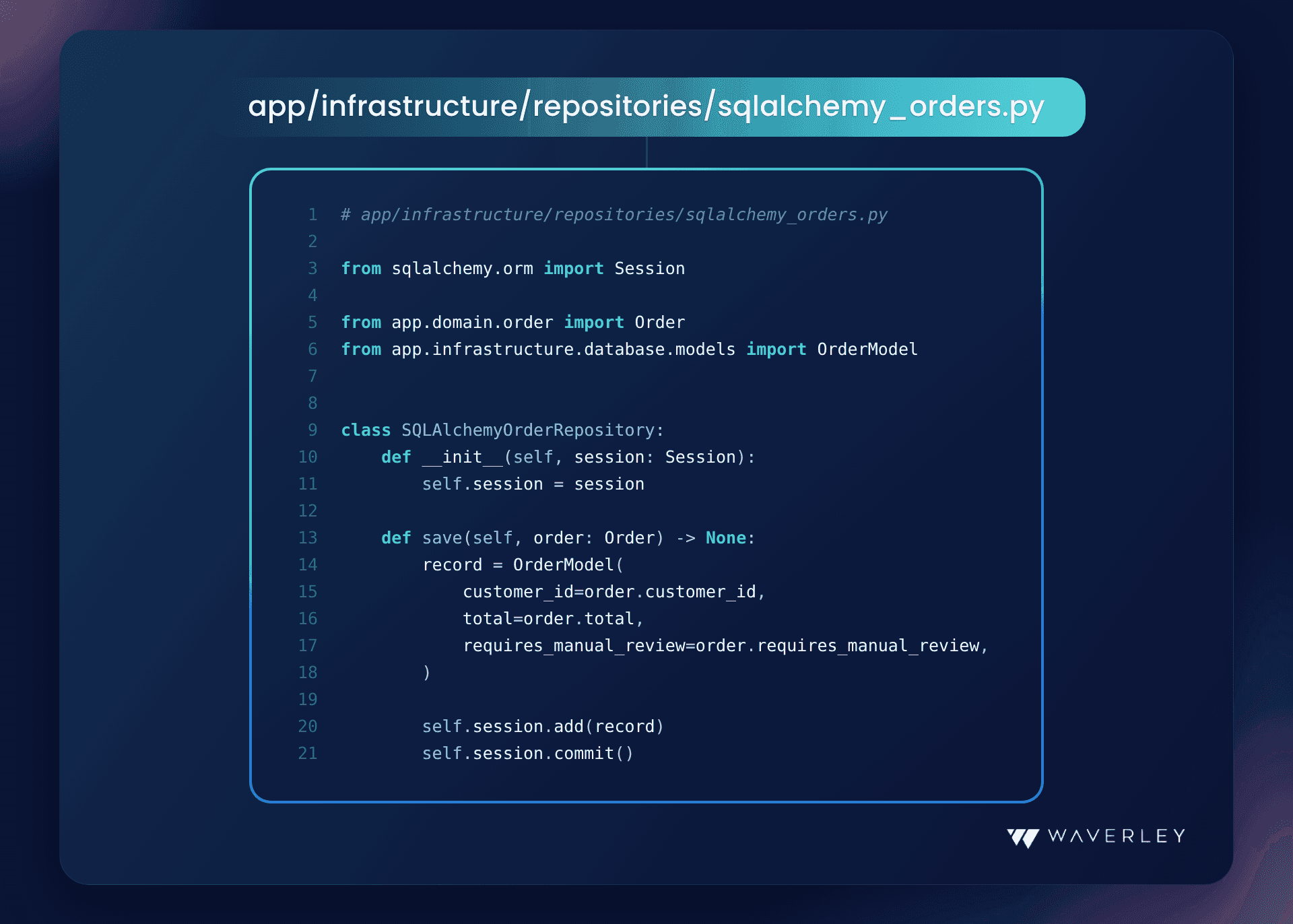
- Replace PostgreSQL with DynamoDB.
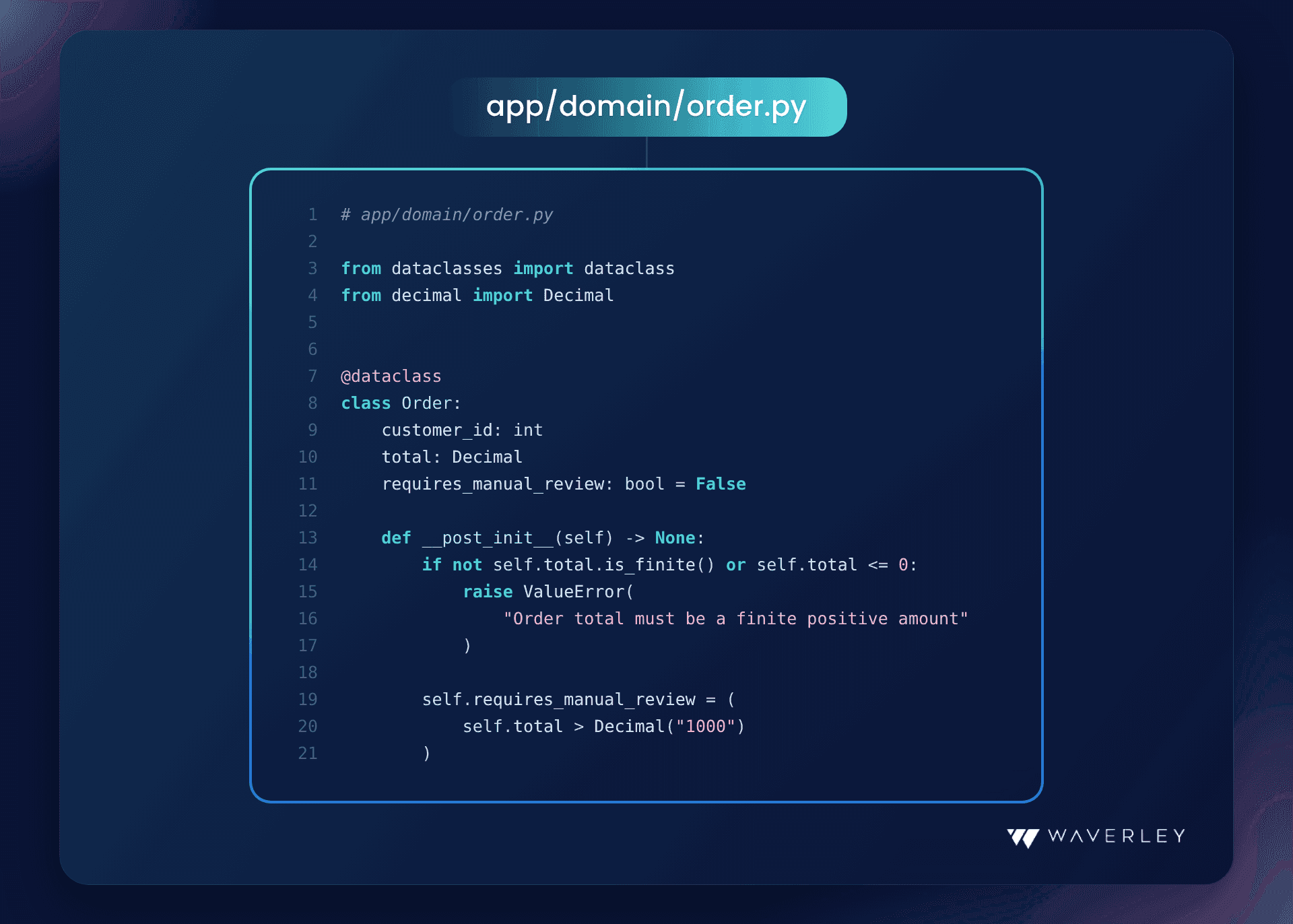
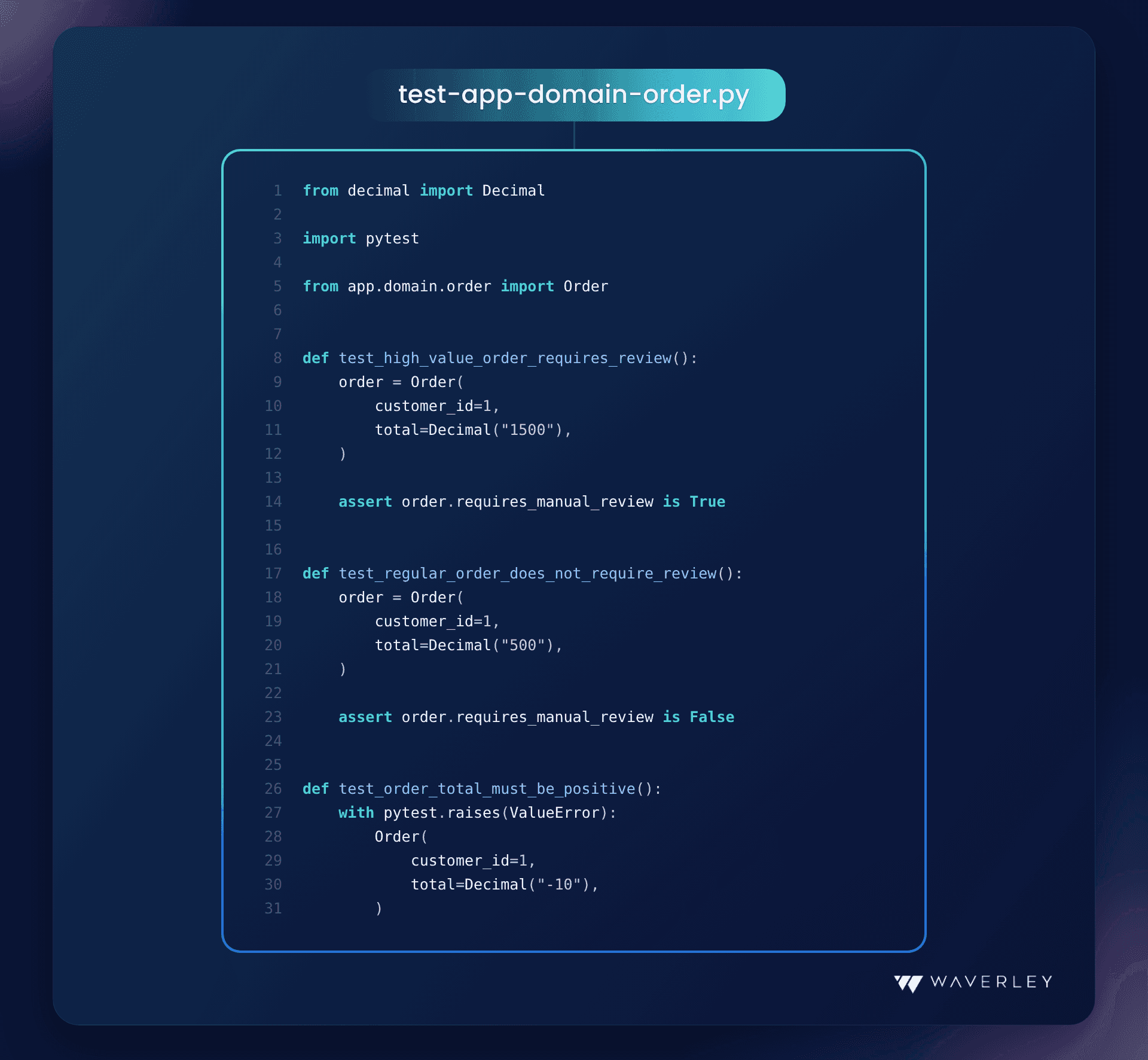
- Introduce a new business rule for high-value orders.
- Expose the same functionality through a background worker.
- Add an external payment provider.
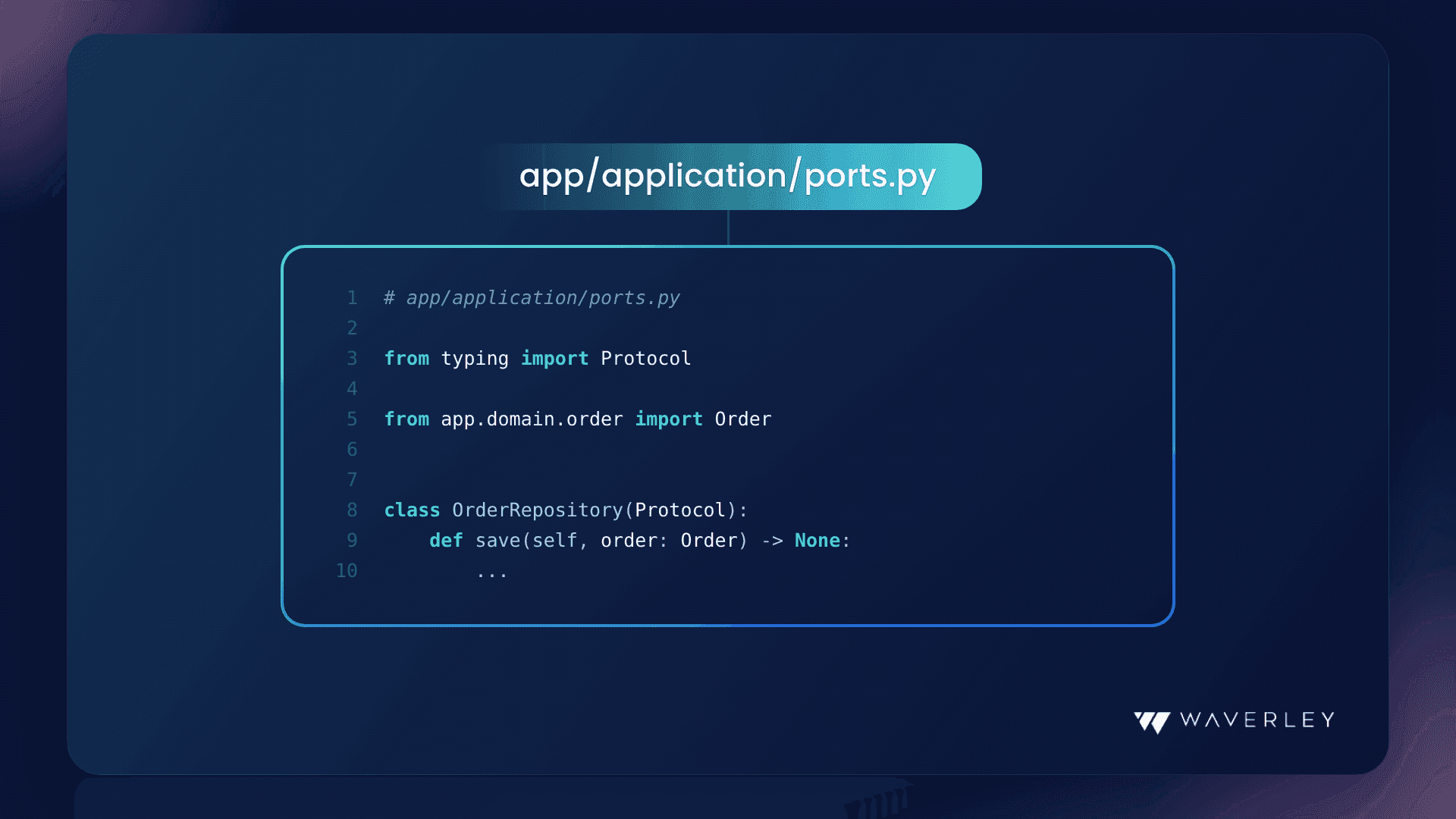
- Refactor the persistence layer without changing business behavior.
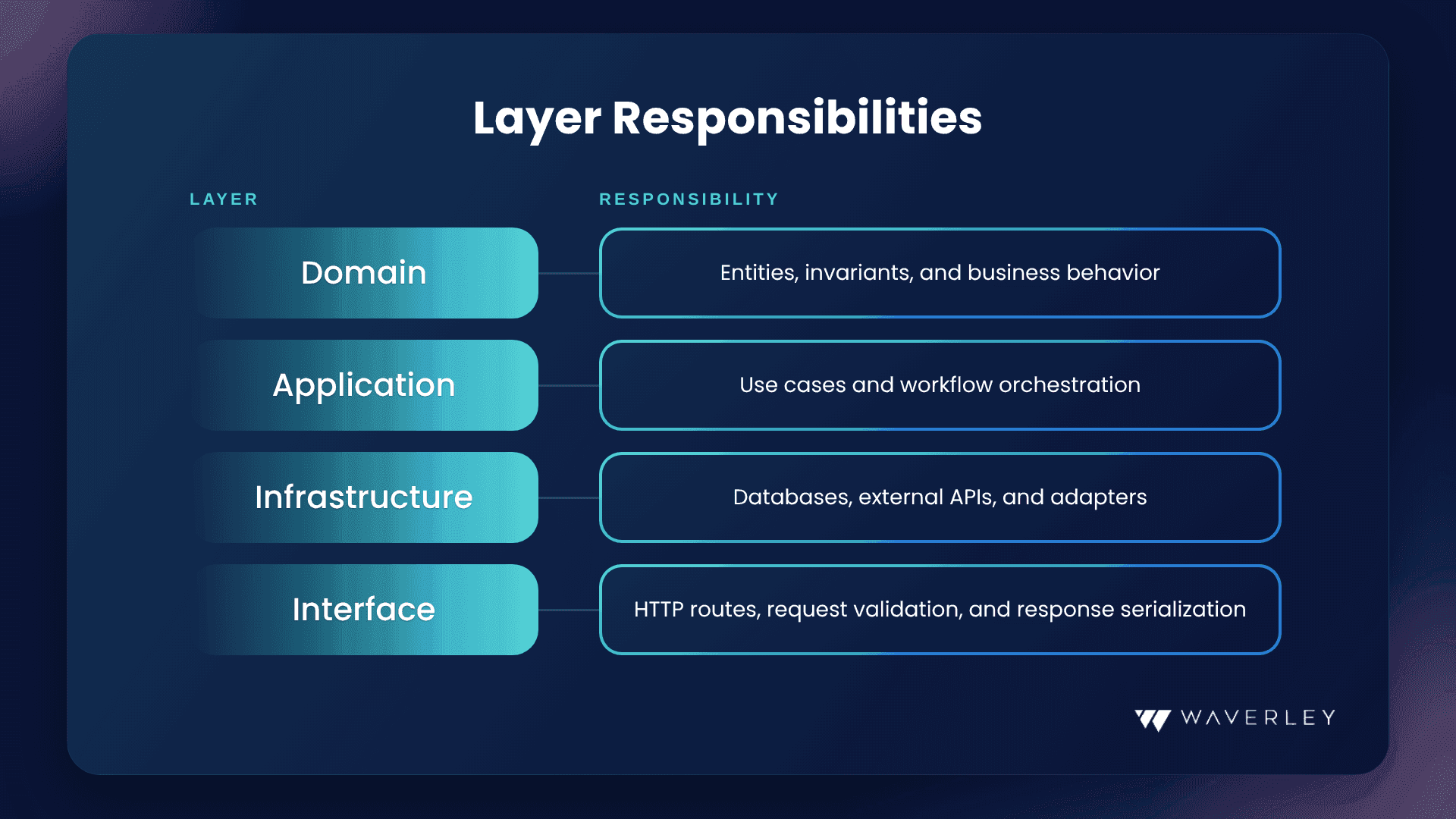
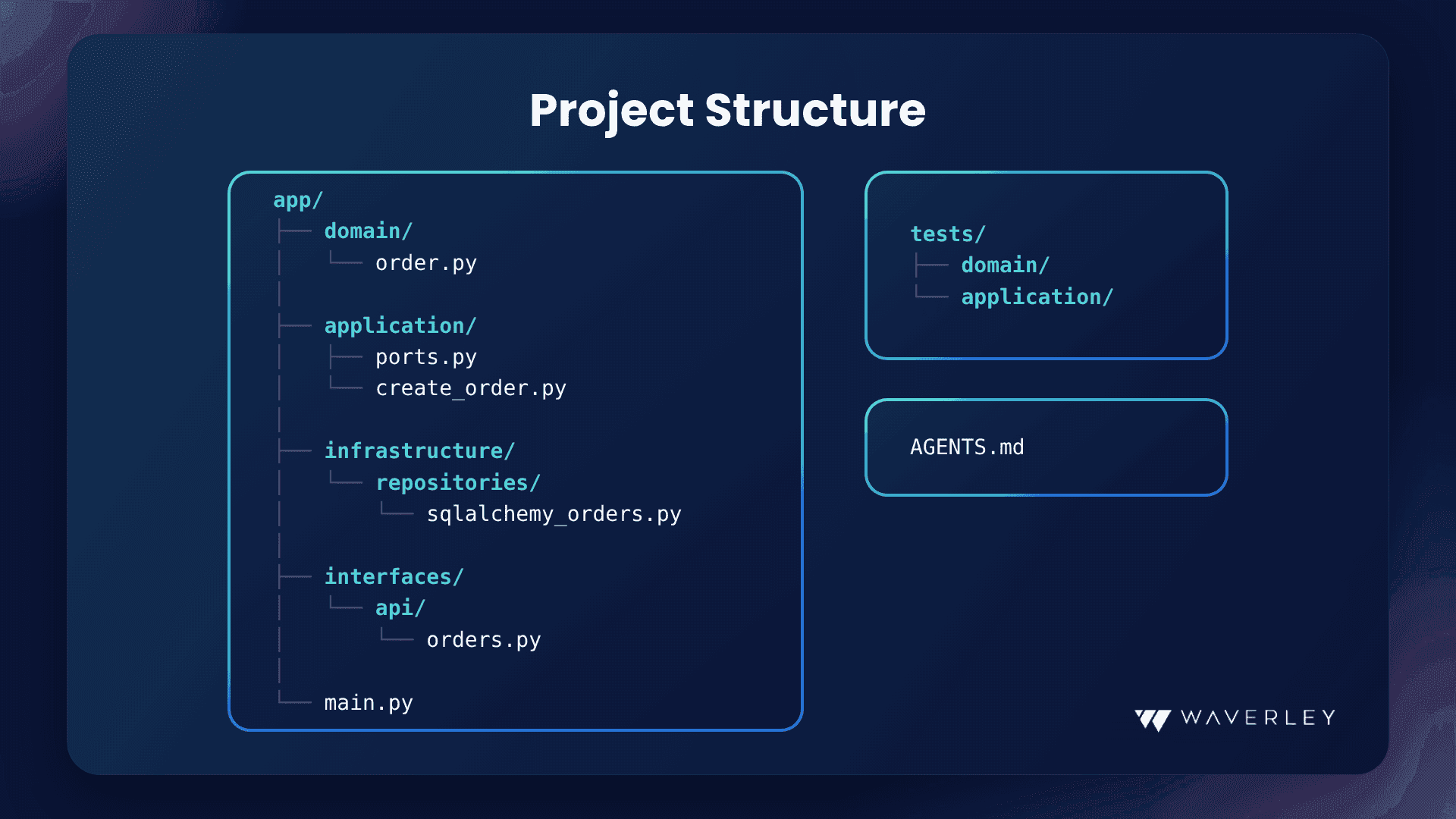
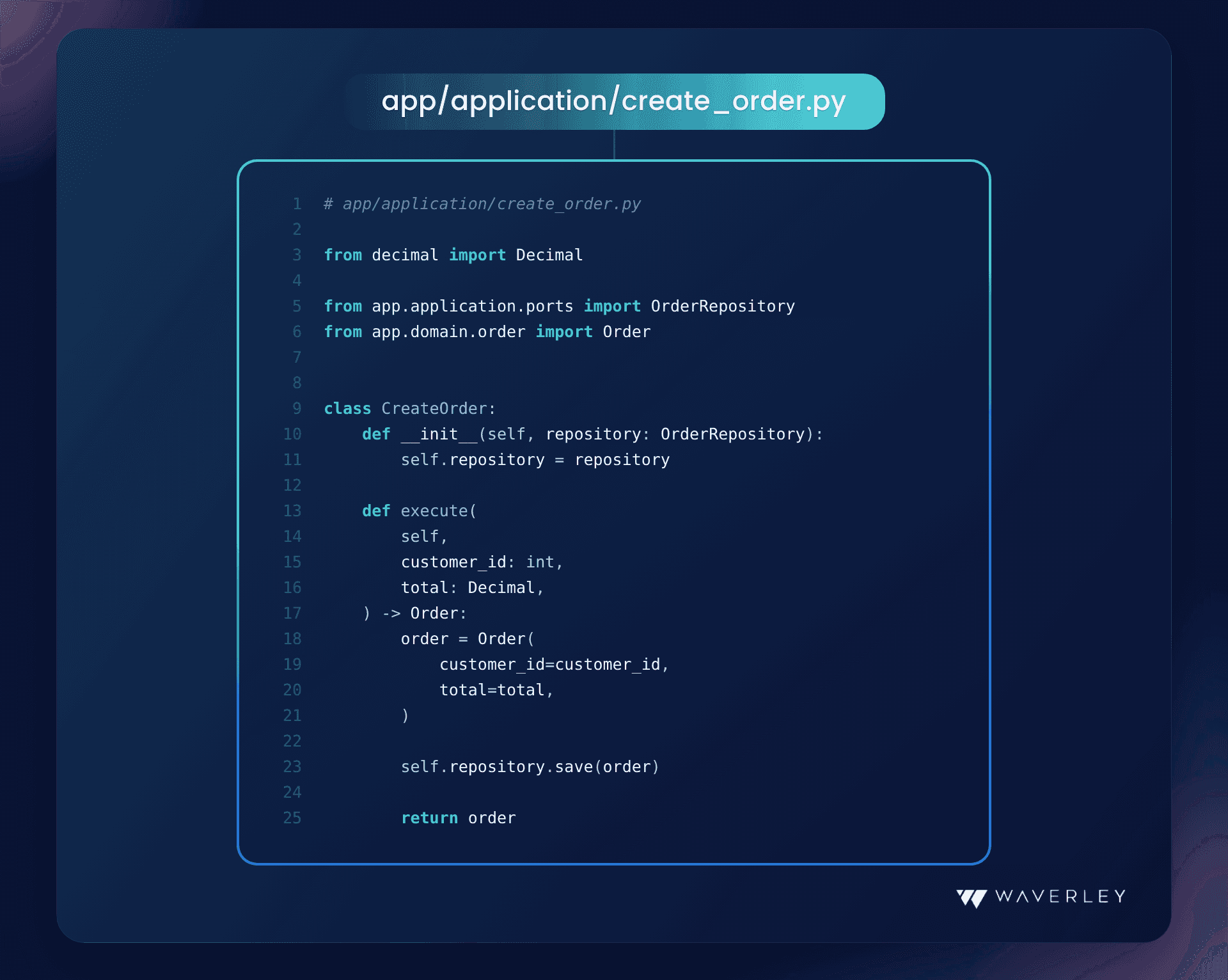
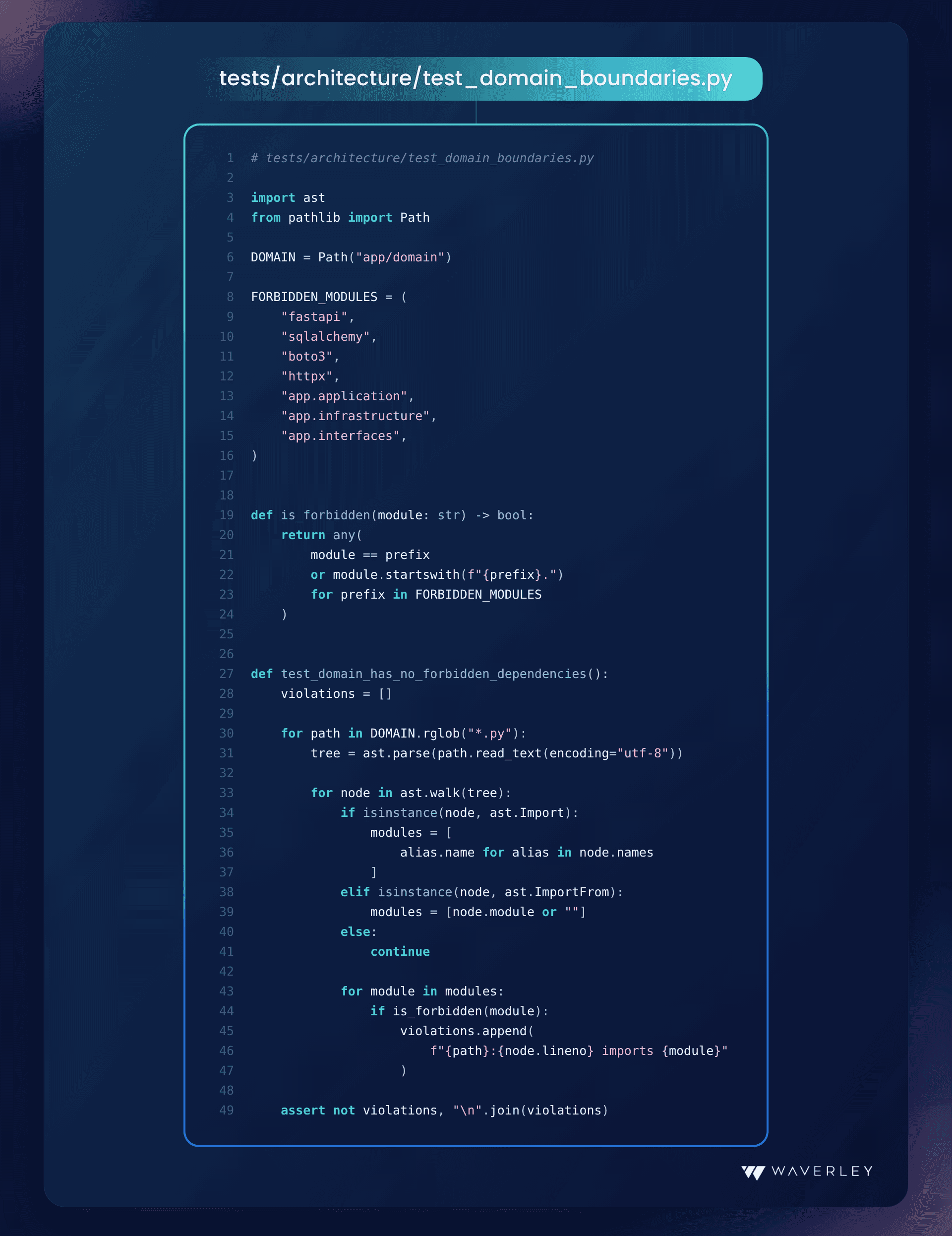
If your codebase has clear architectural boundaries, these changes can remain relatively isolated. Without those boundaries, even a small feature might require modifications across unrelated parts of the application.
When AI agents make those changes, the consequences can become harder to review. This is where Clean Architecture with FastAPI becomes particularly interesting.
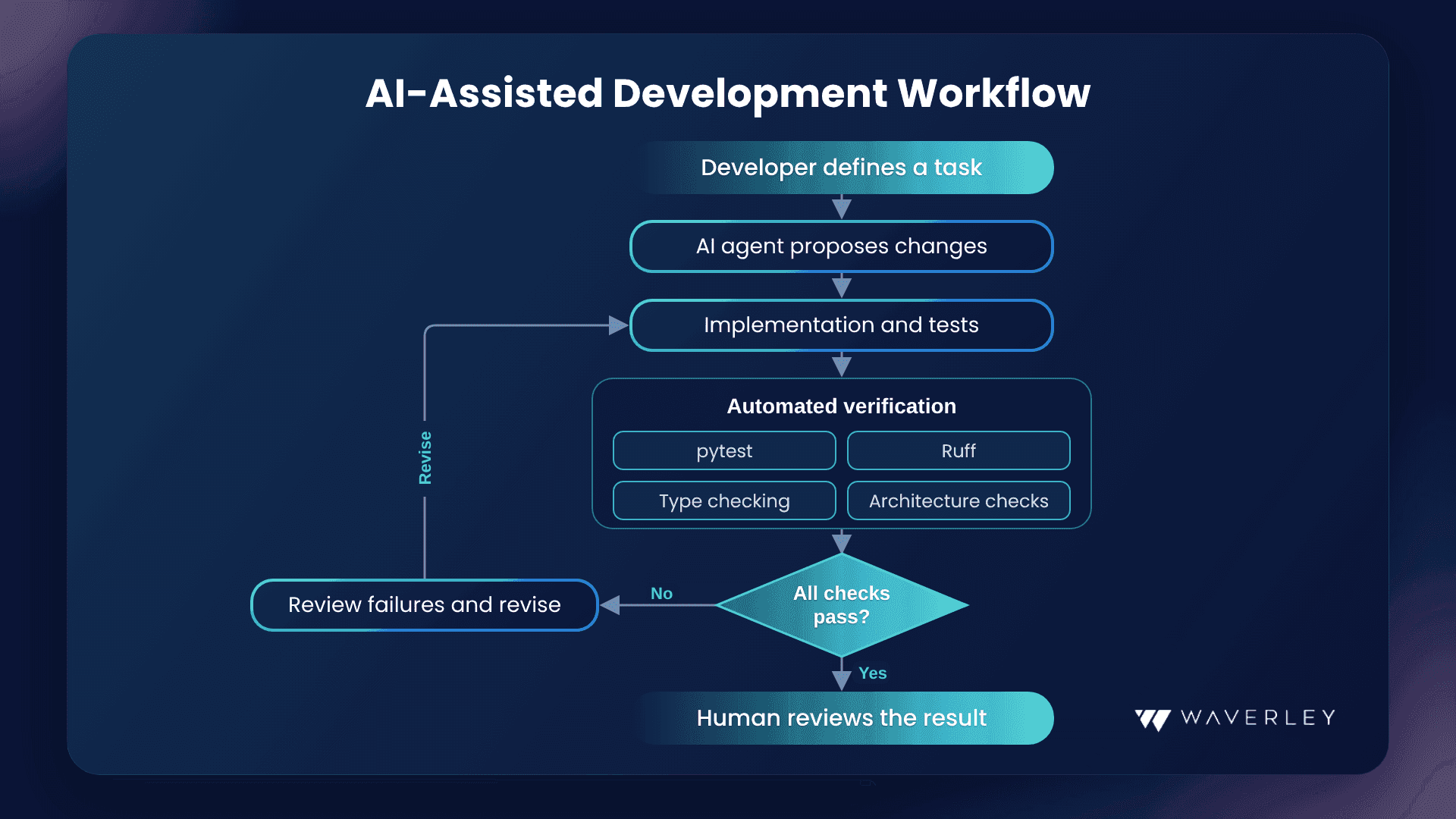
Clean Architecture is no longer just about making code easier for humans to maintain. It can also help create an environment where AI agents make safer, more predictable changes. Let's explore how.