Hallucination is one of the most misunderstood aspects of AI reliability. Although it’s frequently presented as a defect, large language models’ (LLMs’) inherent design causes it.
Facts are not “known” by LLMs. Rather, they:
- Determine which token is most likely to come next.
- Prioritize coherence over accuracy.
- Absence of integrated truth-verification procedures
They fill in the blanks with statistically reasonable, but perhaps inaccurate, information when confronted with incomplete data, ambiguous cues, or scant context.
This leads to erroneous content when used independently. However, the consequence is much more severe for AI agents.
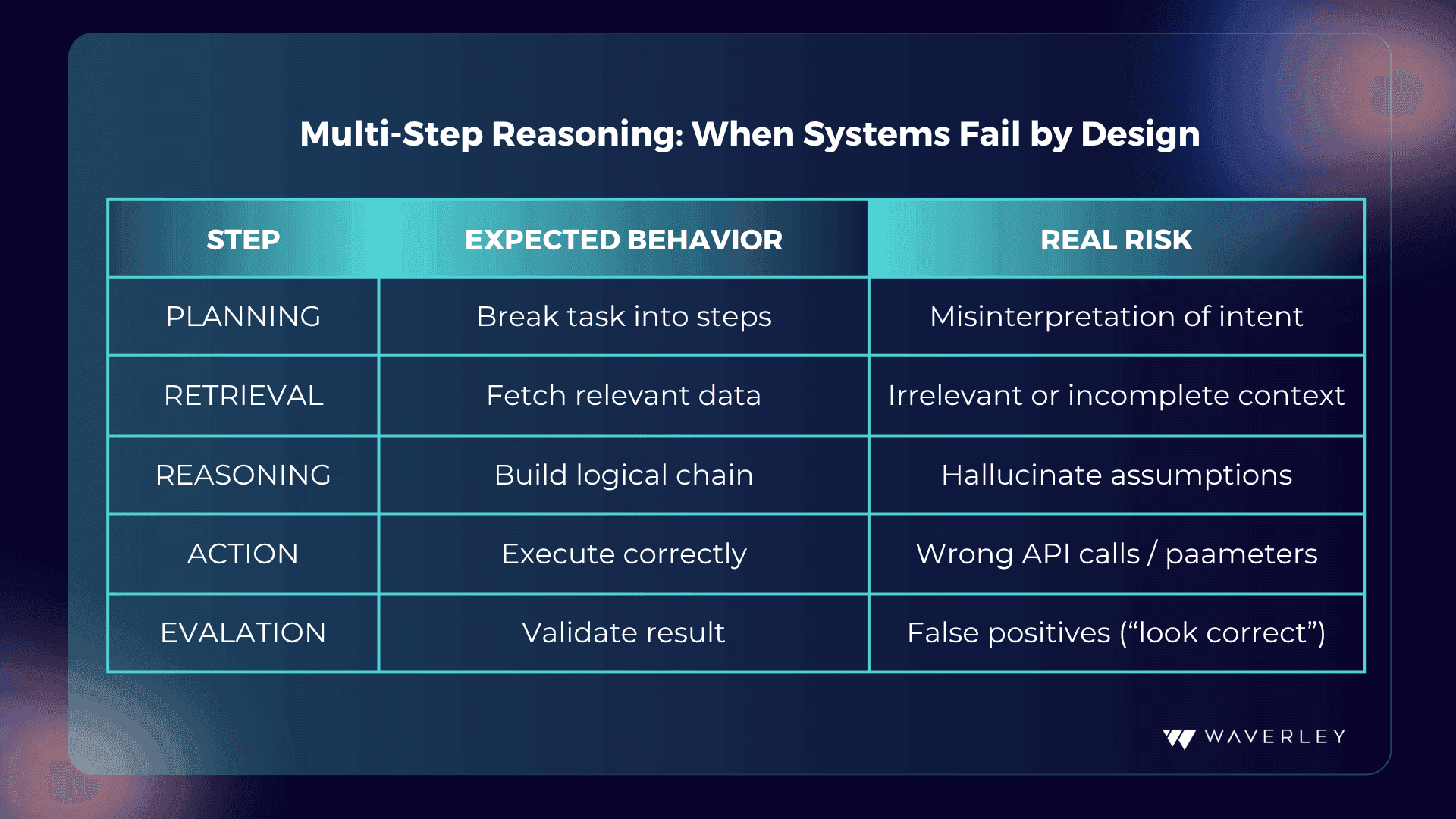
On outputs, agents take action. A hallucination may develop into:
- An incorrect API call
- A flawed reasoning step
- A poor business decision
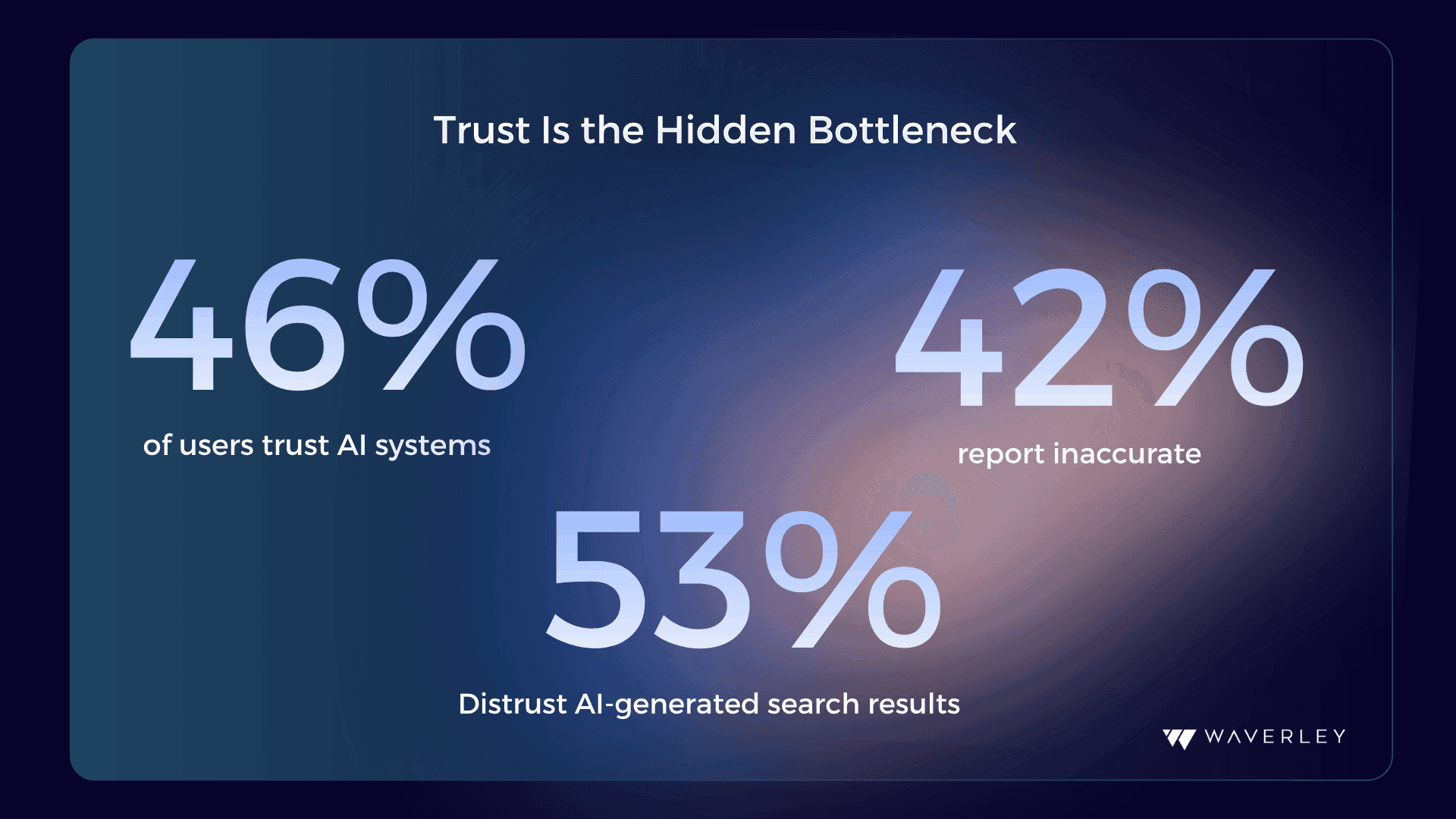
This leads to what can be called the “hallucination tax”, that according to industry reports: 44% of organizations report negative consequences from GenAI, and Average losses reach $4.4 million per incident. And as a real-world illustration of this, Air Canada was legally obligated to honor the refund policy its chatbot had created.
Why is it so expensive?
Errors spread throughout systems:
- Strategy is impacted by decision-support errors
- Errors that affect customers undermine trust
- Operations are impacted by internal automation faults.