Logo
Business

Nearshore Software Development in Mexico

Discover the benefits of nearshore software development in Mexico. Explore cost-effective solutions, cultural alignment, and thriving IT hubs in Mexico.

Michelle Galarza
Michelle Galarza
Content Writer
February 15, 202427 min read
Share
Nearshore Software Development in Mexico
Nearshore software development in Mexico

Businesses all around the world are always looking for innovative ways to improve their processes, increase efficiency, and stay competitive. Nearshore software development is one of the primary tactics that has become very popular recently. This method has completely changed how businesses source engineering talent and oversee their software development projects, and it offers a number of benefits that are changing the face of the IT sector.

For a lack of contradiction, nearshore software development entails the outsourcing of software development projects to nearby nations, usually those that are geographically close to the client’s original country. This method has many advantages over conventional offshore outsourcing, which frequently sends work to places with different time zones, languages, and cultural differences. Nearshore IT outsourcing in Mexico makes use of close proximity to promote closer cooperation, improve communication, and reduce project management difficulties for customers in North America.

Mexico is a rapidly developing nation in the field of nearshore software development. This energetic country, famous for its vibrant culture, breathtaking scenery, and helpful hospitality, is quickly emerging as a top choice for enterprises looking for top-notch software development services. Mexico has established itself as a front-runner in the battle to offer affordable, effective, and cutting-edge software solutions because of a growing pool of qualified tech experts that are at the forefront of building software products, a solid IT infrastructure, and a strategic geographic location.

The article will go deeper into Mexico’s potential as a nearshore software development destination and look into the many benefits it provides to companies wishing to advance their software projects. We will explore the factors that have made Mexico the go-to location for companies looking to take advantage of nearshore software development, from decreased development costs and improved scalability to a rich talent pool and cultural alignment. Join us on a tour of Mexico’s booming tech scene to see how this dynamic country is fostering creativity and efficiency in software development.
Overview of the Mexican Software Development Market

Over the coming years, it’s expected that the ICT market in Mexico will grow at a CAGR of 10.6%. The market is driven by a rising emphasis on digital technology, cybersecurity, AI, robots, and healthcare IT, as stated by Mordor Intelligence, a market research and consulting firm.

The ICT market in Mexico is divided into different categories based on the type of product (hardware, software, IT services, and telecommunication services), the size of the company (small, medium, and large companies), and the industry vertical (BFSI, IT and telecom, government, retail and e-commerce, manufacturing, and energy and utilities). For all of the aforementioned segments, market quantities and predictions are given in terms of value (USD million).

The big pool of engineers in Mexico can offer some of the most talented software engineers in the world. Programmers in this country have the best educational backgrounds in LATAM, compete on a global stage, and hold the #2 position among programmers with the highest level of talent and the most years of experience. Let’s examine the factors that make nearshoring in Mexico a great choice for building your software engineering project.

advantages of nearshore software development in mexico
Advantages of nearshore software development in Mexico

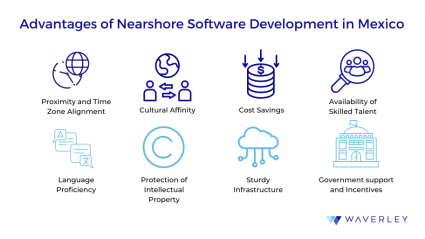
Advantages of Nearshore Software Development in Mexico

Nearshoring has become a popular strategic option in recent years for companies looking to streamline their business processes and cut expenses. In this example, Mexico has emerged as a desirable nearshoring location for a variety of businesses due to the country’s proximity to the United States and its thriving tech environment. Let’s examine some of the many benefits of nearshoring in Mexico below.

  • Proximity and Time Zone Alignment
    Mexico’s proximity to the United States is one of the most convincing arguments for nearshoring. Due to this geographic advantage, on-site visits and meetings can be held with a great deal less travel expense and time, resulting in improved collaboration among teams. Additionally, Mexico and many U.S. cities are in the same time zone, facilitating real-time coordination and communication, which can be difficult when outsourcing to foreign nations.
  • Cultural Affinity
    Successful commercial connections depend on cultural affinity. Mexico and the United States have close cultural ties, which makes bridging any cultural divides simpler. Smoother relationships, better comprehension, and enhanced teamwork can result from familiarity with American traditions, holidays, and work principles.
  • Cost Savings
    Nearshoring in Mexico is motivated by cost effectiveness. While living expenses and labor costs are typically lower in Mexico than in the US, the level of craftsmanship is still very high. This cost reduction includes a variety of expenditures, including decreased labor costs, real estate costs, and operational costs, which all help to boost profitability.
  • Availability of Skilled Talent
    Mexico has a strong tech industry and an educated workforce. This nation has made large expenditures in training and education, creating a pool of qualified workers in a variety of fields, including software development, engineering, manufacturing, and customer service. Employers who nearshore to Mexico can take advantage of this skill pool to spur innovation and expansion.
  • Language Proficiency
    Professionals in Mexico are becoming more and more proficient in English, particularly in the business and technology fields. This bilingual skill makes it easier to communicate with American colleagues without encountering any language difficulties or misconceptions. It guarantees that tasks be completed without difficulty and that expectations and instructions are understood.
  • Protection of Intellectual Property
    Mexico has put in place legislative structures and rules to safeguard intellectual property rights, giving businesses peace of mind regarding the protection of their confidential data. A level of protection provided by this legal framework may be crucial for sectors like technology and healthcare.
  • Sturdy Infrastructure
    Mexico is proud of its robust infrastructure, which includes dependable transportation and telecommunications networks. This infrastructure makes it possible for products and information to move efficiently, which helps firms improve supply chain management and streamline operations.
  • Government Support and Incentives
    To entice foreign investment and promote economic growth, the Mexican government provides a range of incentives. These incentives, which make it financially attractive for businesses to establish a presence in Mexico, can include tax advantages, subsidies, and support for research and development.

Get started with Mexico’s nearshore solutions


Contact us
the business environment in Mexico
The business environment in Mexico

The Business Environment in the Country

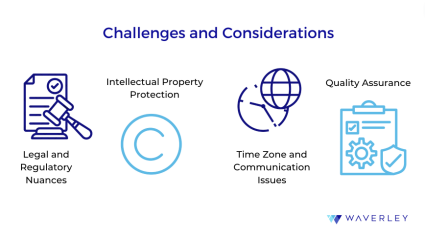
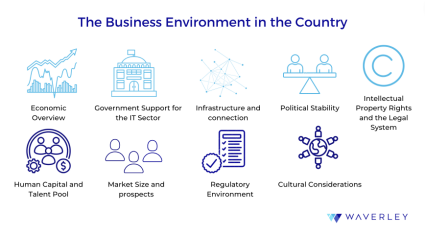
With government assistance, a developing infrastructure, a growing talent pool, and large market prospects, Mexico provides a good business climate for the IT sector. The regulatory and legal framework, intellectual property protection, and regional peculiarities all present difficulties for enterprises. The key to success in Mexico’s IT business is to do extensive study and look for local knowledge. Here is an explanation:

  • Economic Overview
    The IT Outsourcing market in Mexico has one of the biggest economies in Latin America. According to the World Bank Its GDP is among the top 15 in the world. The economy of the nation is varied, involving several industries like manufacturing, agriculture, services, and increasingly, information technology. Mexico is a significant participant in the international supply chain as a result of its close relations to the United States through the North American Free Trade Agreement (NAFTA, now known as USMCA).
  • Government Support for the IT Sector
    The Mexican government has acknowledged the role that the IT sector plays in promoting innovation and economic progress. A number of programs have been started to encourage the industry, including tax breaks for IT firms, subsidies for R&D, and collaborations between the government, academia, and business to promote innovation and skill development. Mexico has also created technology parks and clusters to encourage cooperation in the IT industry.
  • Infrastructure and connection
    This country has made significant investments in its connection and technological infrastructure. Mobile network coverage and broadband penetration have significantly improved throughout the nation. Data centers and fast internet connections are part of the developed IT infrastructure in major cities like Mexico City, Monterrey, and Guadalajara. Because of its growing infrastructure, Mexico is now a desirable location for IT businesses looking to open offices there.
  • Political Stability
    Political turbulence and societal unrest have occurred at times in Mexico, which is a factor that businesses must take into account. However, it has preserved a democratic system and a largely stable political atmosphere for many years. Businesses operating in Mexico frequently have to deal with regional differences in security and local politics, so it’s important to carry out detailed risk assessments and keep up with local news.
  • Intellectual Property Rights and the Legal System
    Mexico has made tremendous strides in enhancing the protection of IP rights and enforcing IP laws. It has ratified a number of international agreements and treaties designed to safeguard intellectual property. However, issues like piracy and counterfeiting continue to persist, especially in some industries. IT businesses operating in Mexico should hire qualified legal counsel and take strong IP protection precautions to defend their interests.
  • Human Capital and Talent Pool
    The workforce in Mexico is predominantly young and becoming more educated, with a significant emphasis on the STEM (science, technology, engineering, and mathematics) fields. There is a constant supply of qualified individuals thanks to the numerous universities and technical institutions that offer pertinent IT degrees. Mexico also gains from its close proximity to the United States, which draws IT expertise from both nations.
  • Market Size and Prospects
    For IT companies, Mexico’s engineering talent pool and digital infrastructure represent sizable market prospects. The e-commerce, fintech, healthcare IT, and automation industries are among those that are currently rapidly expanding. Success depends on being aware of the market dynamics and consumer preferences in your area.
  • Regulatory Environment
    With numerous federal, state, and municipal regulations affecting enterprises, navigating Mexico’s regulatory environment can be challenging. Businesses must be ready to adhere to tax rules, labor laws, and industry-specific restrictions. To guarantee complete compliance, consulting with local legal professionals is frequently required.
  • Cultural Considerations
    Establishing trusting connections with regional partners and customers requires an understanding of Mexican culture and business etiquette. In Mexican corporate culture, trust-building and polite communication are paramount.
Challenges and considerations for nearshoring in Mexico

Challenges and Considerations

Let’s break down the typical software development costs in Mexico and compare them to other regions.

  • Rates per hour
    An essential cost element in nearshore software development is the hourly rate. Compared to places like the United States and Western Europe, Mexico offers highly qualified software engineers at relatively affordable rates. Depending on parameters like experience, location within Mexico, and technology stack, the typical hourly wage for software development in Mexico might range from $25 to $60.
  • Stack of technologies
    The technology stack used has a significant impact on the price of the project. A wide range of software engineers, including those skilled in JavaScript, Python, and other stacks, are available in Mexico. The stack you choose can affect prices because some technologies might call for more specialized skill sets, which could raise hourly rates.
  • Project Complexity
    A key element affecting costs is the software project’s complexity. While complex projects that need in-depth study, innovation, or system integration can increase costs, simple initiatives with clear requirements typically have more cost-effective outcomes. Mexico is a versatile and affordable option because its development teams are capable of managing a wide range of project challenges.
  • Team Size
    The number of developers on the project directly affects expenses. Smaller teams are typically less costly, yet they could take longer to finish a job. Larger teams can speed up development, but they are more expensive. Mexico provides the ability to expand the development workforce in accordance with the demands of the project, enabling cost reduction.

Now, let’s compare the costs of nearshore software development in Mexico with other popular outsourcing destinations:

  • United States: Software development is typically priced per hourly in the United States between $100 and $200. However, for real-time collaboration, proximity can be advantageous.
  • Eastern Europe: Countries like Ukraine and Poland in Eastern Europe have competitive rates comparable to those in Mexico, although time zone variations may make cooperation more difficult.
  • India: With hourly prices ranging from $15 to $45, India has historically been a cheap outsourcing location. However, communication and project management may be impacted by cultural and time zone differences.

Want to build a top-notch development team? Don’t miss our article for expert guidance


How to Hire a Dedicated Development Team in 2023
Choosing the Right Software Development Company in Mexico

Choosing the Right Software Development Company in Mexico

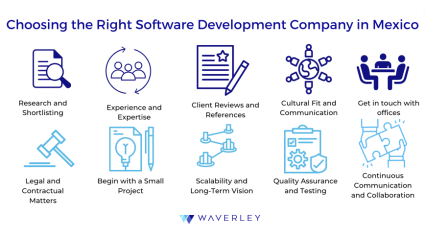
Getting your dream development team is essential for your project success, so, if you’ve ever wondered how to hire a dedicated development team, let us share with you some practical tips to ensure successful nearshore collaboration with a Mexican team:

  • Building a Strong Relationship: Spend some time learning about Mexican culture, beliefs, and business manners. Trust can be established by building rapport and demonstrating respect for cultural differences. Visit the headquarters of your Mexican team whenever you can. Relationships can be strengthened and trust can be built through face-to-face conversations.
  • Agile Methodology: Embrace agile project management techniques like Scrum or Kanban. Regular communication, transparency, and adaptability are encouraged by these frameworks. Additionally, hold daily stand-up meetings to keep everyone in sync. To overcome geographic distances, use video conferencing tools.
  • Regular Communication: Create lines of communication that are trustworthy and straightforward. For seamless communication, make use of apps like Slack, Microsoft Teams, or Zoom. Make sure to reduce linguistic hurdles. Even though many Mexicans speak English well, any gaps can be filled by offering resources or instruction in the language.
  • Time zone considerations: Plan your workday in such a way that it substantially overlaps with the time zone of your Mexican team. This enables problem-solving and real-time communication When setting deadlines or meetings, be flexible to account for both time zones.
  • Inclusion and Diversity: The backgrounds and viewpoints of Mexican teams are frequently different. To encourage innovation and creativity, embrace variety. Encourage a diverse workplace where each team member feels appreciated and heard.
  • Legal and Compliance: Learn about the rules and legislation governing employment in Mexico. Make sure that your partnership complies with these regulations. Address privacy and data security issues. To protect sensitive data, put strong data protection procedures in place.
  • Quality Assurance: Place a strong emphasis on quality assurance and testing. Ensure that the deliverables meet high-quality standards and are thoroughly tested.
  • Share knowledge: Encourage comprehensive process, code, and project documentation. This guarantees knowledge transfer and makes it easier for new team members to catch up fast. Give Mexican squad members the chance to receive training to improve their abilities and skills.
  • Be solution-oriented: Promote honest and productive conversation to resolve issues or differences quickly. If disputes continue and cannot be settled internally, think about engaging a neutral mediator.
  • Performance Metrics: Establish precise KPIs to gauge how well the Mexican team is performing. Review these indicators frequently and make necessary strategy adjustments.
  • Holidays Metters: Recognize and observe Mexican traditions and holidays. This can encourage cultural interchange and foster a positive environment.
  • Continuous Feedback: Create a feedback loop for continuous development. Get input from both parties, then make adjustments to improve cooperation.

Looking to turn your idea into a software product?

Discover the steps in our article

How to Build a Software Product
Best practices for nearshore collaboration to Mexico

Best Practices for Successful Nearshore Collaboration

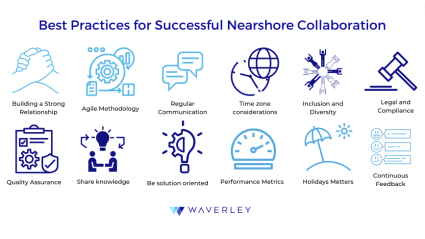
Getting your dream development team is essential for your project success, so, if you’ve ever wondered how to hire a dedicated development team, let us share with you some practical tips to ensure successful nearshore collaboration with a Mexican team:

  • Building a Strong Relationship: Spend some time learning about Mexican culture, beliefs, and business manners. Trust can be established by building rapport and demonstrating respect for cultural differences. Visit the headquarters of your Mexican team whenever you can. Relationships can be strengthened and trust can be built through face-to-face conversations.
  • Agile Methodology: Embrace agile project management techniques like Scrum or Kanban. Regular communication, transparency, and adaptability are encouraged by these frameworks. Additionally, hold daily stand-up meetings to keep everyone in sync. To overcome geographic distances, use video conferencing tools.
  • Regular Communication: Create lines of communication that are trustworthy and straightforward. For seamless communication, make use of apps like Slack, Microsoft Teams, or Zoom. Make sure to reduce linguistic hurdles. Even though many Mexicans speak English well, any gaps can be filled by offering resources or instruction in the language.
  • Time zone considerations: Plan your workday in such a way that it substantially overlaps with the time zone of your Mexican team. This enables problem-solving and real-time communication When setting deadlines or meetings, be flexible to account for both time zones.
  • Inclusion and Diversity: The backgrounds and viewpoints of Mexican teams are frequently different. To encourage innovation and creativity, embrace variety. Encourage a diverse workplace where each team member feels appreciated and heard.
  • Legal and Compliance: Learn about the rules and legislation governing employment in Mexico. Make sure that your partnership complies with these regulations. Address privacy and data security issues. To protect sensitive data, put strong data protection procedures in place.
  • Quality Assurance: Place a strong emphasis on quality assurance and testing. Ensure that the deliverables meet high-quality standards and are thoroughly tested.
  • Share knowledge: Encourage comprehensive process, code, and project documentation. This guarantees knowledge transfer and makes it easier for new team members to catch up fast. Give Mexican squad members the chance to receive training to improve their abilities and skills.
  • Be solution-oriented: Promote honest and productive conversation to resolve issues or differences quickly. If disputes continue and cannot be settled internally, think about engaging a neutral mediator.
  • Performance Metrics: Establish precise KPIs to gauge how well the Mexican team is performing. Review these indicators frequently and make necessary strategy adjustments.
  • Holidays Metters: Recognize and observe Mexican traditions and holidays. This can encourage cultural interchange and foster a positive environment.
  • Continuous Feedback: Create a feedback loop for continuous development. Get input from both parties, then make adjustments to improve cooperation.

Real-Life Examples

Take a look at the following showcase success stories table of companies that have chosen Mexico as their outsourcing destination and let’s explore the challenges they faced and overcame in their pursuit of success.

CompanyChallengeSolutionOutcome
IBMWith a client who had a strict timeline and limited funds, IBM was faced with the difficulty of creating a complicated software solution. To successfully complete the project, they required a knowledgeable team with experience in a variety of technologies.IBM contracted a Mexican software development company to work on a component of the project. This gave them access to expert Mexico software developers , particularly in the fields of Java and.NET technologies. The worldwide IBM team and the Mexican team collaborated and communicated with one another without any issues.IBM was able to complete the project on schedule and within budget with the aid of their Mexican business partners. Through the agreement, IBM was able to maintain high standards and cut costs, creating a standard for all future outsourcing projects.
DropboxIn order to maintain its position as a market leader in cloud storage, Dropbox sought to improve its mobile application. They needed a group of capable mobile app developers who could quickly change their approach to meet the changing needs of their projects.Dropbox decided to hire a Mexican software development business to develop its mobile applications. This choice gave them access to a pool of knowledgeable iOS and Android developers who had the technical know-how and inventiveness required for the project.Dropbox enhanced the usability and efficiency of its mobile app by working with Mexican engineers. As opposed to attempting to hire and train in-house developers, the project was finished more quickly and at a lesser cost.
OracleOracle had to quickly expand its development staff to keep up with the rising demand for its cloud services from customers. They needed a cost-effective solution because it was difficult for them to find enough experienced developers in their local market.Oracle opened an offshore development center in Mexico to take advantage of the tech talent there. They developed a talent pipeline to assist their expansion by collaborating with nearby institutions to hire and train aspiring software engineers.Oracle’s development center in Mexico has been instrumental in hastening the creation of their products, enhancing time-to-market, and cutting costs. They were able to effectively turn a potential talent gap into a competitive advantage.

These success tales show the advantages of hiring a trained workforce, cutting costs, and speeding up project delivery when outsourcing software development to Mexico. While issues like cultural disparities, linguistic obstacles, and time zone differences do occur, these businesses have been able to overcome them via excellent communication, teamwork, and strategic planning. Mexico’s status as a key location for software development around the world is growing as more businesses see the benefits of outsourcing there.

Waverley's Nearshore Development Services in Mexico

At Waverley, we’re always delighted to give companies wishing to outsource their software projects a free, no-obligation consultation. We build top-notch software engineering teams across the whole of LatAm, giving our US clients access to excellent engineering talent in their timezone, which is only a couple hours of travel away. Our teams span across Mexico, Bolivia, Colombia, Costa Rica and other countries in LatAm, allowing us to not only tap into the full potential of all of these markets, but also consult you on the best choice of your software engineering destination.

Conclusion

For companies looking for effective and affordable solutions, the benefits of nearshore software development in Mexico are abundantly evident and compelling. Mexico and LatAm overall is a top choice for outsourcing software development needs due to its strategic position, cultural affinity with Western markets, trained labor, and strong technical infrastructure.

Selecting Mexico as your nearshore development partner gives you access to a talent pool as well as less time zone variations, simpler communication, and financial savings. Your software development initiatives can be considerably improved by this synergy between quality and affordability.

Our team of qualified experts is prepared to help you take full advantage of Mexico’s nearshore advantages. Please feel free to get in touch with us right away to discuss how working with Mexican talent may improve your custom software development efforts and advance your company.

Use the form below to contact us if you have any queries about outsourcing software development to Mexico or if you need technical advice for your project.

FAQ

About the author & stay in touch
Michelle Galarza
Michelle Galarza
Content Writer

Michelle is a Bolivia-based communications professional and linguist with a passion for technology, social impact, literature, design, and photography. Through strategic communication and storytelling, she helps bridge the gap between innovation and people, with a particular interest in showcasing Latin American tech talent, highlighting emerging trends in the digital industry, and exploring the impact of technology on businesses and society.

Stay up to date

Subscribe to Waverley's newsletter and stay up to date with the latest articles.

Let's Work Together

Ready to build something great?

Let's talk about your project.

Contact Us